Grain Classification
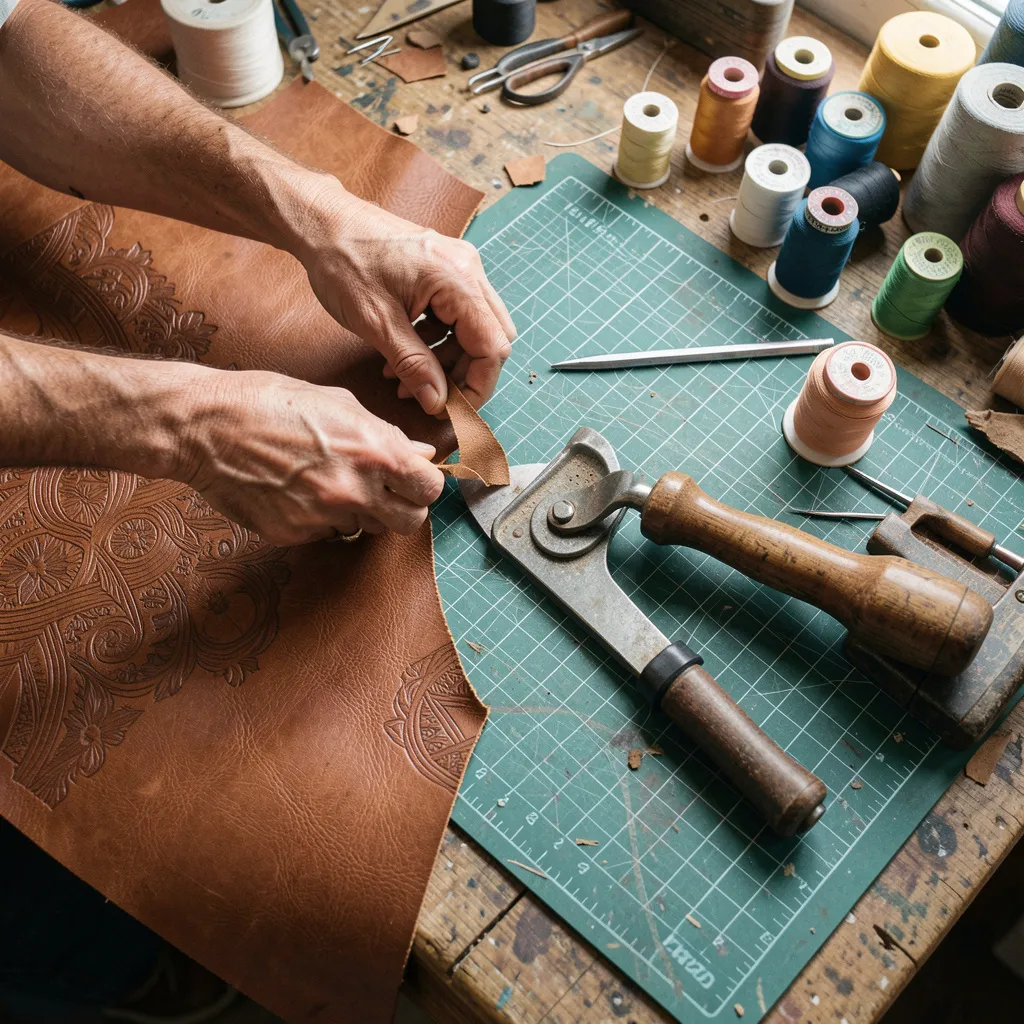
Full-Grain Leather
Full-grain leather retains the complete natural grain surface. This classification indicates the hide has not been sanded or buffed to remove surface imperfections. The natural grain provides superior durability and develops a unique patina over time.
- Thickness Range: 3.0-5.0mm
- Tensile Strength: 15-25 MPa
- Water Resistance: High
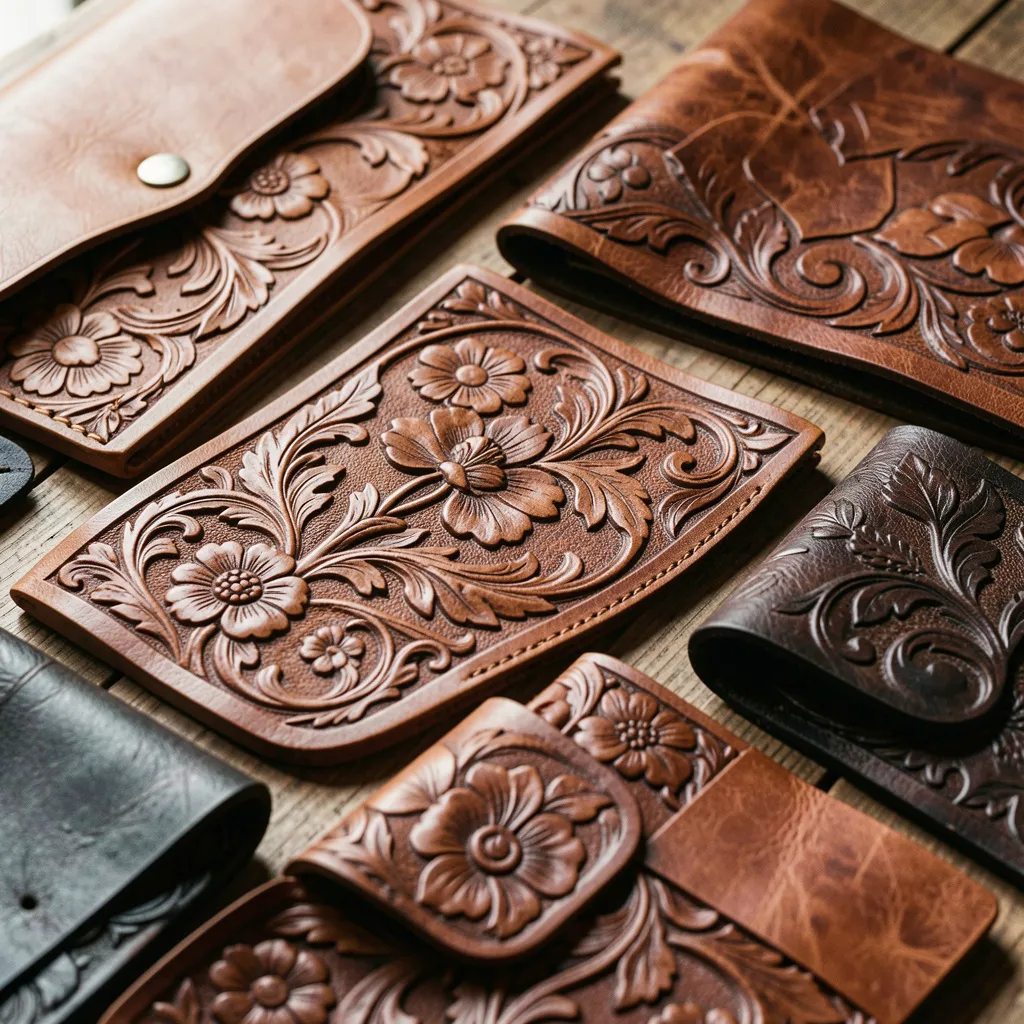
Top-Grain Leather
Top-grain leather has been processed to remove the outermost layer, creating a more uniform surface. This process reduces natural markings while maintaining good durability. The surface is typically finished with a protective coating.
- Thickness Range: 2.5-4.5mm
- Tensile Strength: 12-20 MPa
- Surface Finish: Uniform
Tanning Process
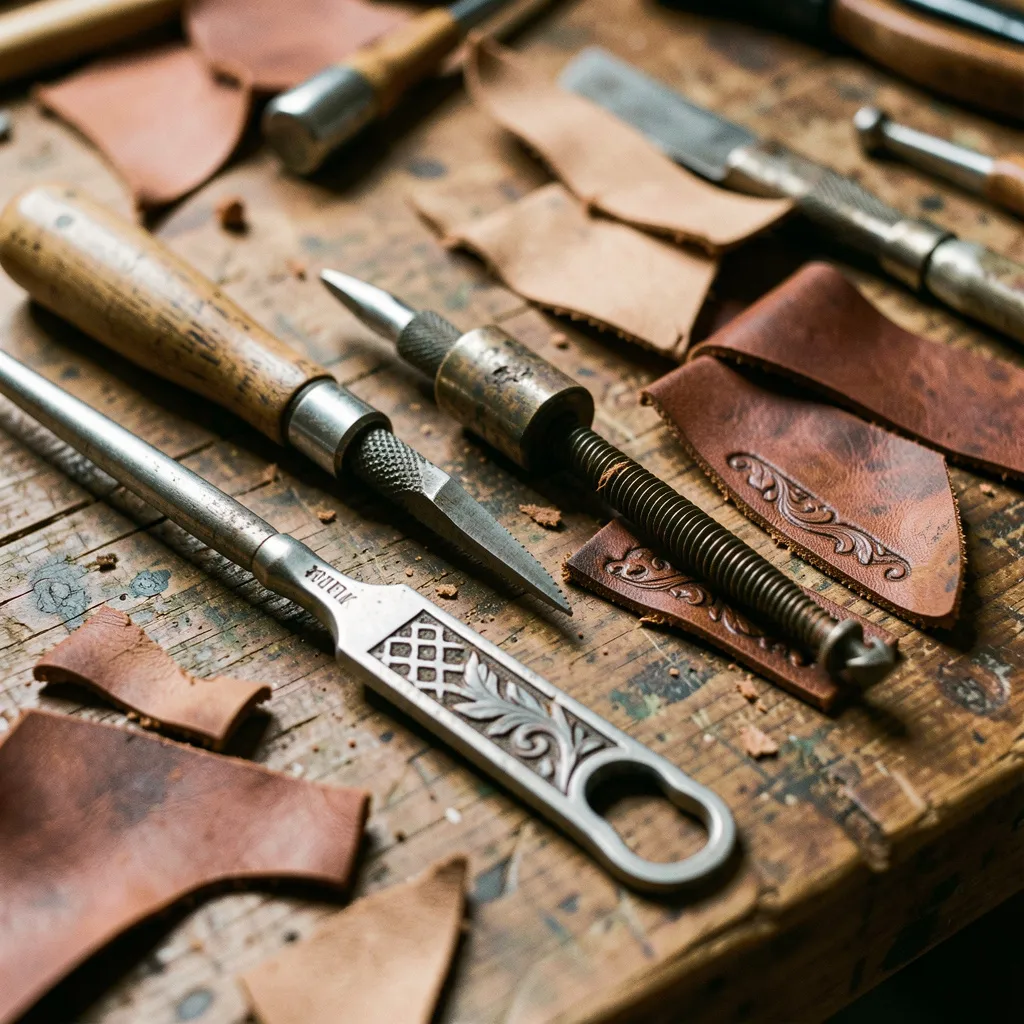
Vegetable Tanning
Vegetable tanning uses natural tannins derived from tree bark and plant materials. This traditional method produces leather that is firm, ages beautifully, and develops rich color variations. The process typically takes 30-60 days and results in leather that is more environmentally friendly.
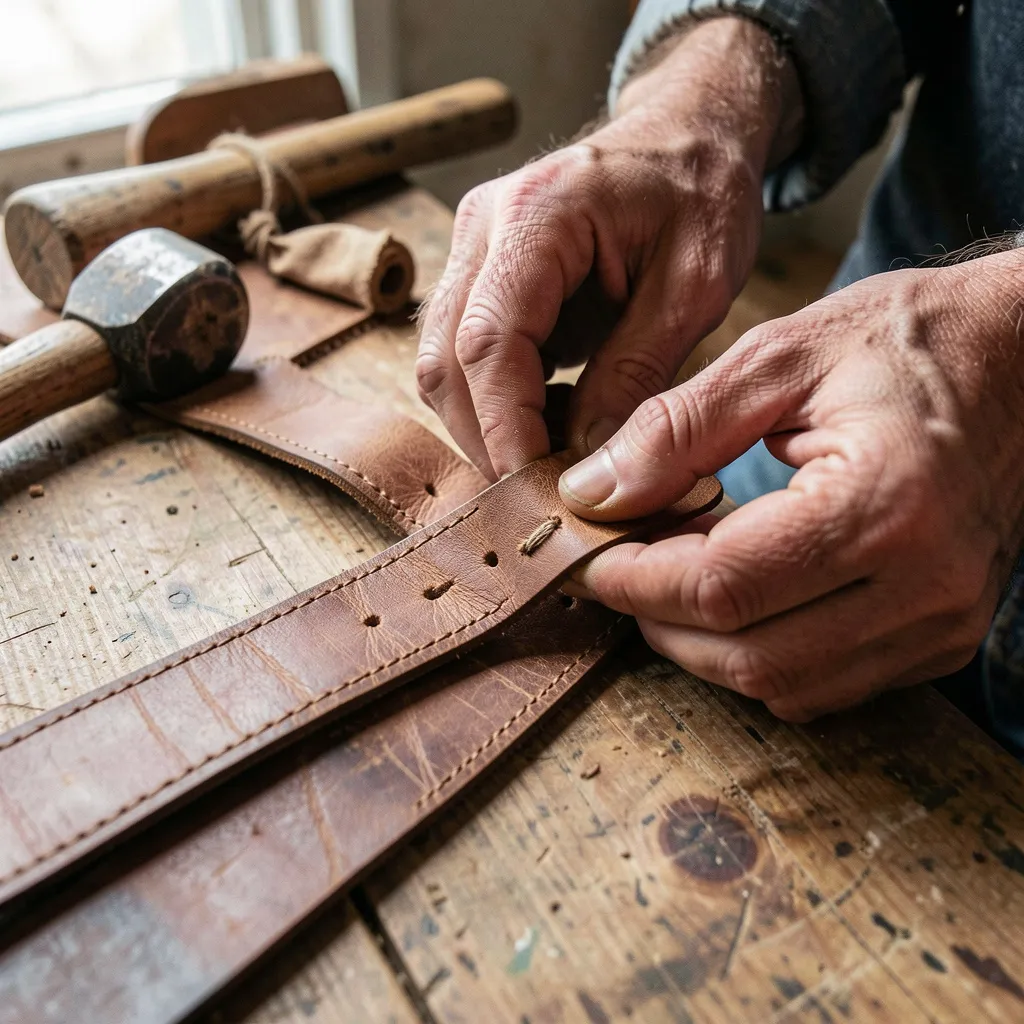
Mineral Tanning
Mineral tanning uses chromium salts or other mineral compounds. This process is faster than vegetable tanning and produces softer, more pliable leather. We select mineral-tanned hides that meet strict environmental standards and avoid harmful chemical residues.
Quality Verification
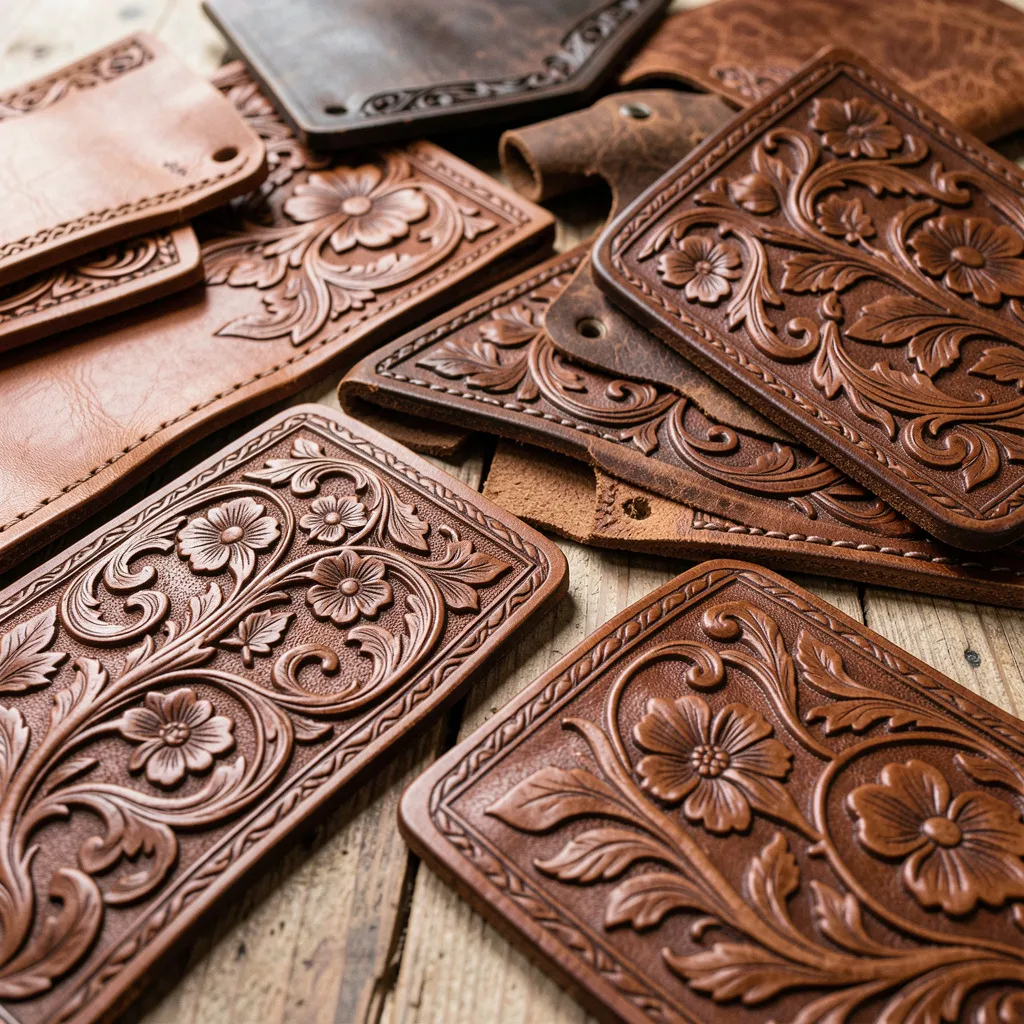
Each batch of leather undergoes quality verification to ensure proper tanning penetration, consistent color, and absence of defects. We test for pH levels, moisture content, and structural integrity before approving hides for production use.
Material Properties
Physical Characteristics
Density
0.86-0.92 g/cm³ depending on hide origin and processing method.
Elasticity
Modulus of elasticity ranges from 50-150 MPa, providing flexibility without permanent deformation.
Abrasion Resistance
Tested using Taber abrasion method, showing excellent resistance to surface wear.
Temperature Stability
Maintains structural integrity between -20°C and 60°C under normal conditions.
Sourcing Standards
Supply Chain Transparency
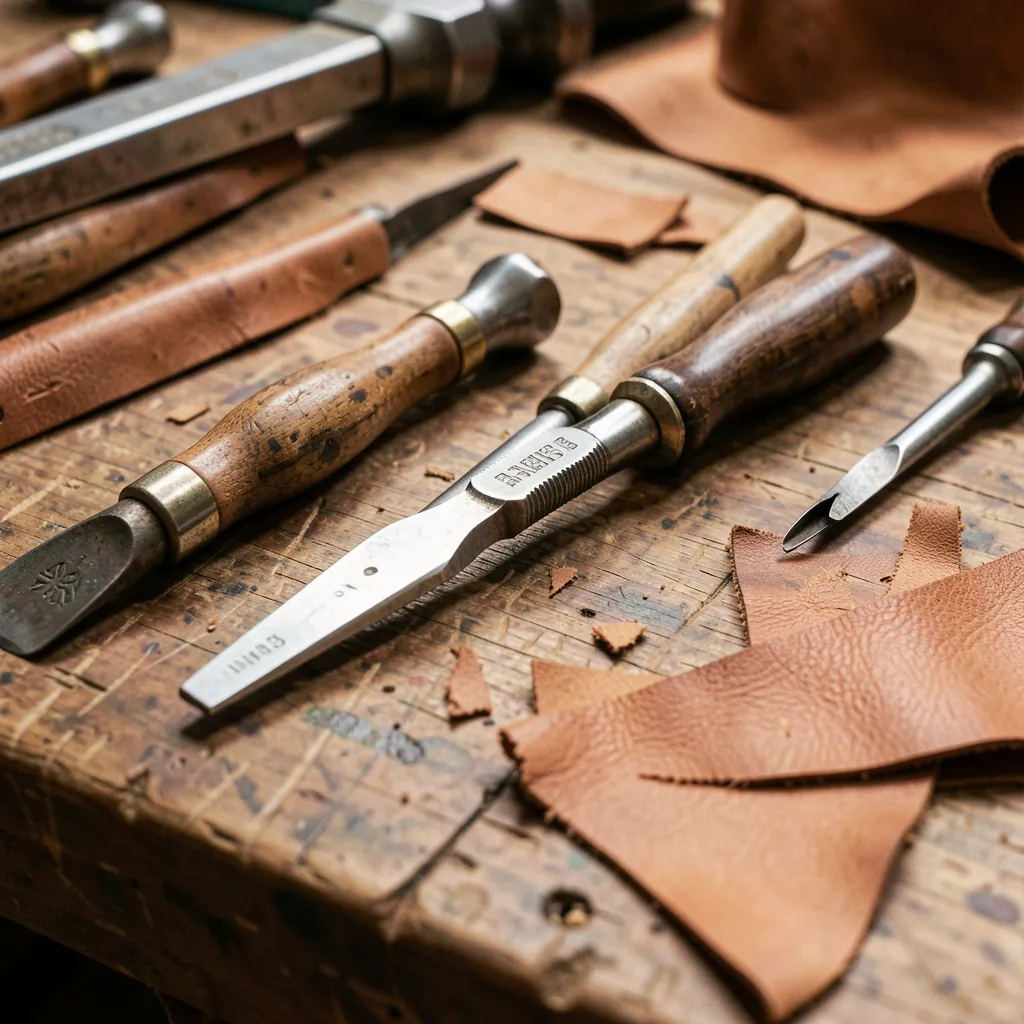
We maintain detailed records of our leather sourcing, including origin, tanning facility, and processing methods. All suppliers must meet our standards for environmental responsibility and quality control. Regular audits ensure continued compliance with our specifications.