Patina Simulator
Adjust the slider to see how leather changes over time. The patina development reflects natural aging processes including oxidation, handling wear, and environmental exposure.

Patina Development Stages
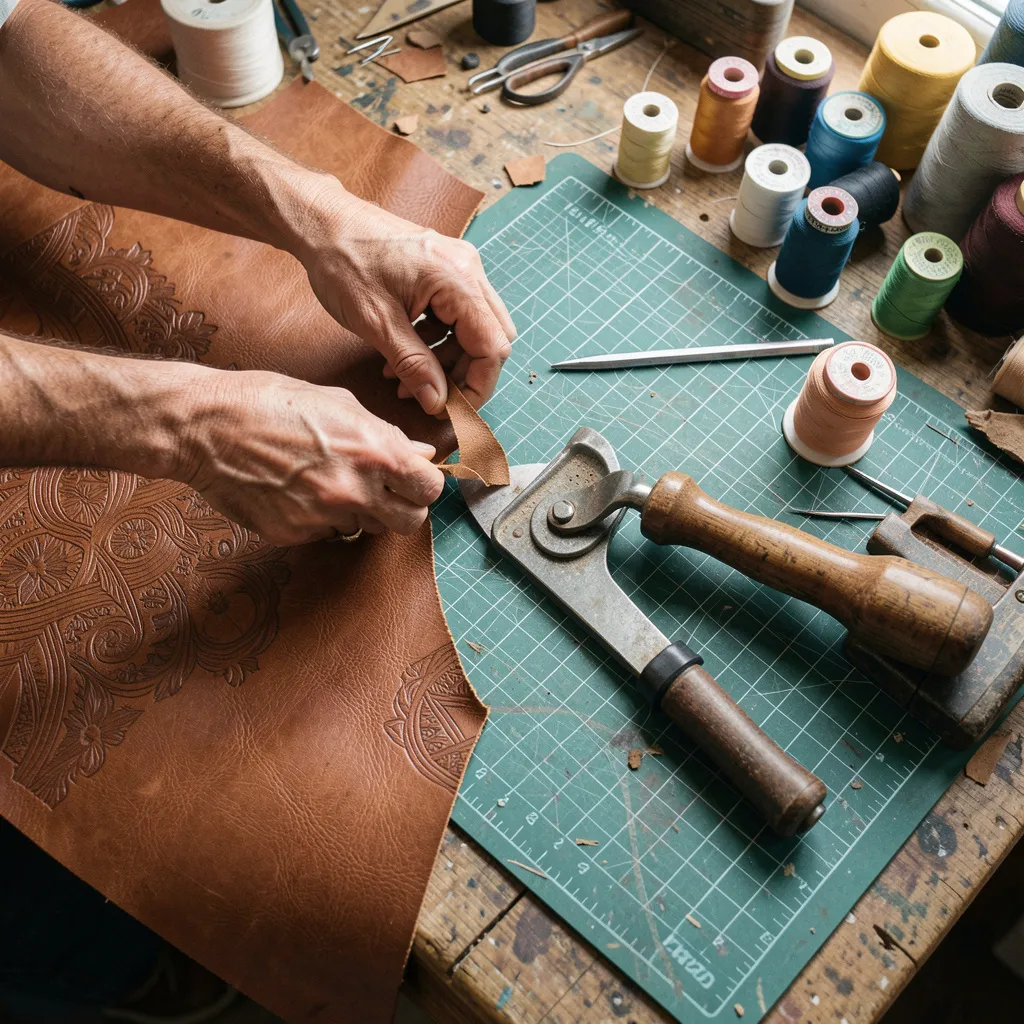
Initial State (Day 1)
Fresh leather exhibits its original color and surface characteristics. The material is uniform in appearance with minimal variation. This baseline state provides the foundation for future patina development.
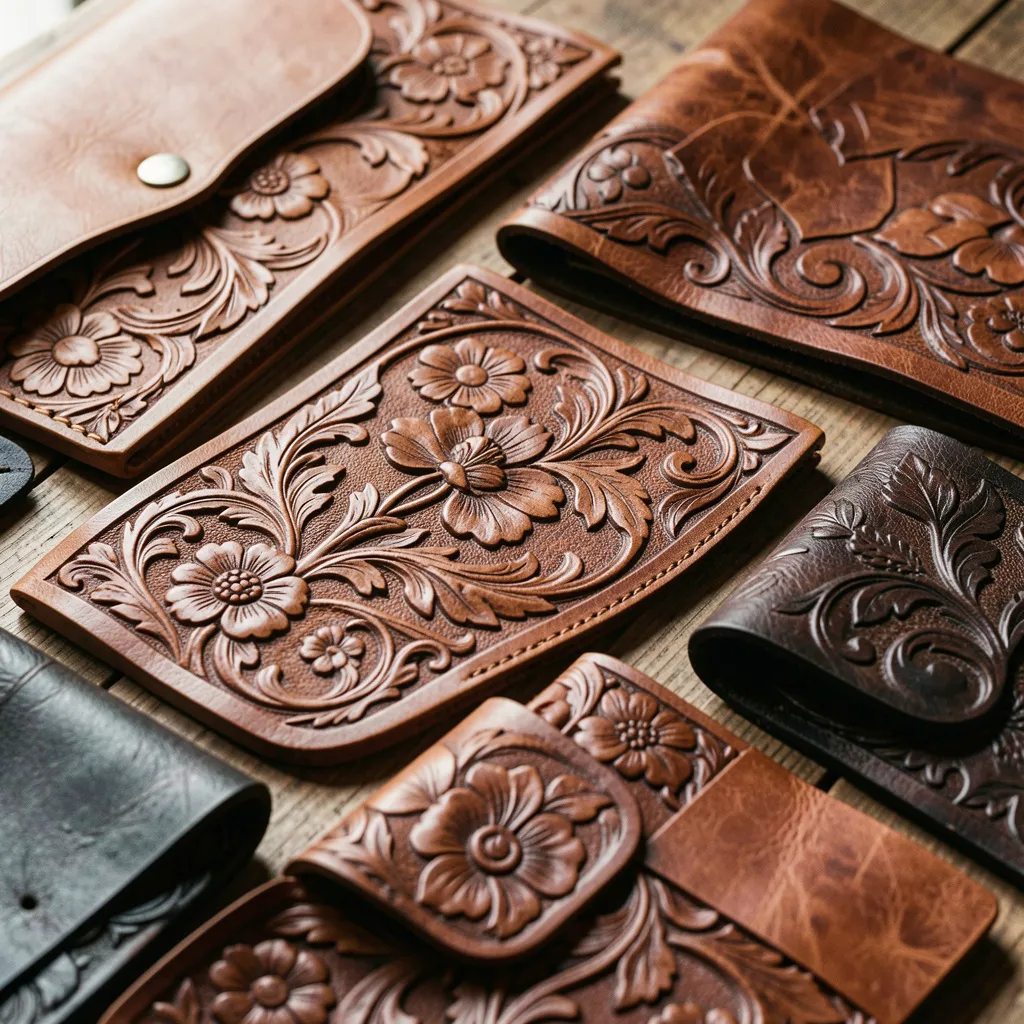
Early Patina (Year 1)
After approximately one year of regular use, the leather begins to show subtle color changes. High-contact areas develop slight darkening, and the surface texture becomes more pronounced. Natural oils from handling start to influence the material's appearance.

Mature Patina (Year 5)
By year five, the patina is well-established. Color variations are more pronounced, with darker areas in high-wear zones and lighter areas in protected regions. The leather surface shows character marks that reflect its usage history.
Long-Term Aging

Advanced Patina (Year 8)
At year eight, the leather demonstrates significant character development. The patina is rich and varied, with deep color saturation in areas of frequent contact. Surface texture shows the material's history while maintaining structural integrity.
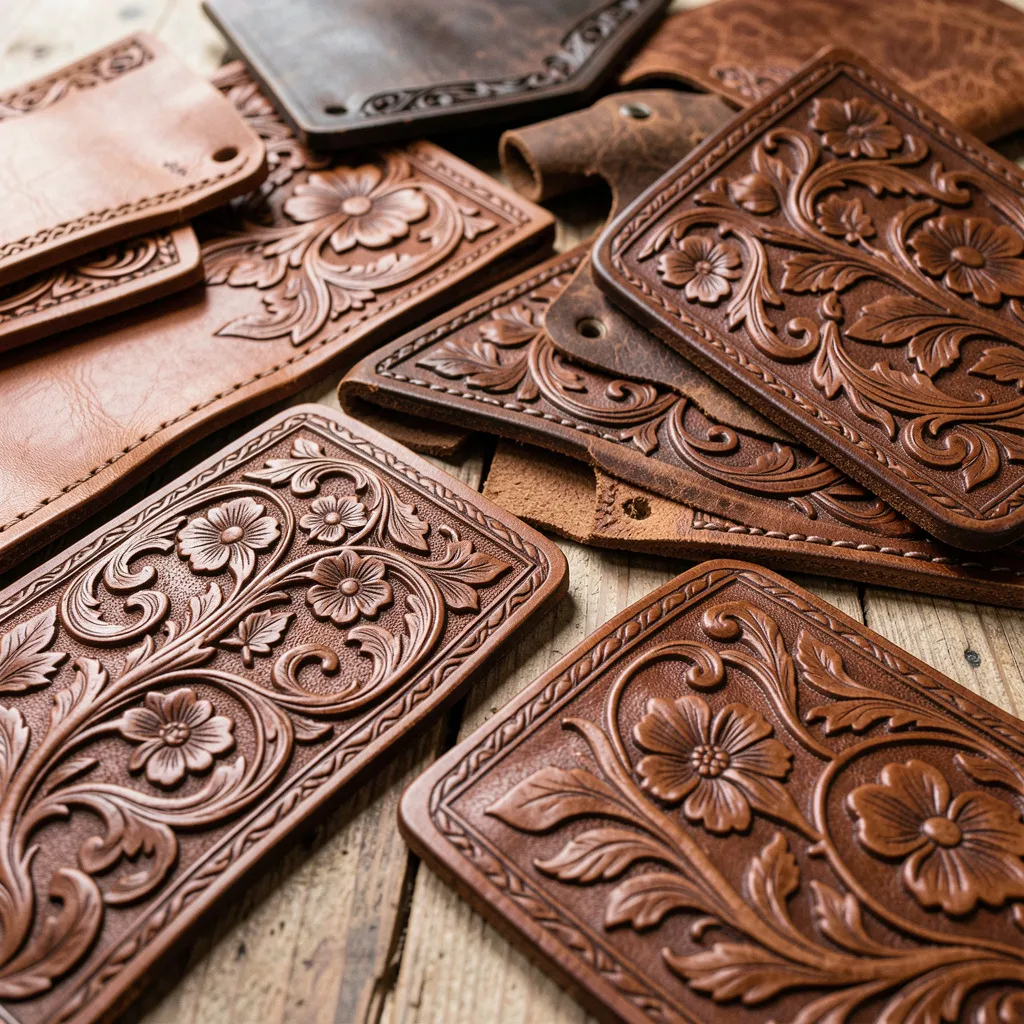
Fully Developed (Year 10+)
After a decade or more, the leather exhibits a fully developed patina that tells the story of its use. The material has achieved a rich, complex appearance while maintaining its functional properties. This stage represents the culmination of natural aging processes.
Factors Affecting Patina
Environmental and Usage Factors
Handling Frequency
Regular handling introduces natural oils that darken and condition the leather surface over time.
Light Exposure
Sunlight and UV exposure contribute to color changes, typically lightening some areas while darkening others.
Oxidation
Natural oxidation processes cause gradual color shifts, particularly in vegetable-tanned leathers.
Wear Patterns
Areas subject to friction and pressure develop distinct patina characteristics compared to protected regions.